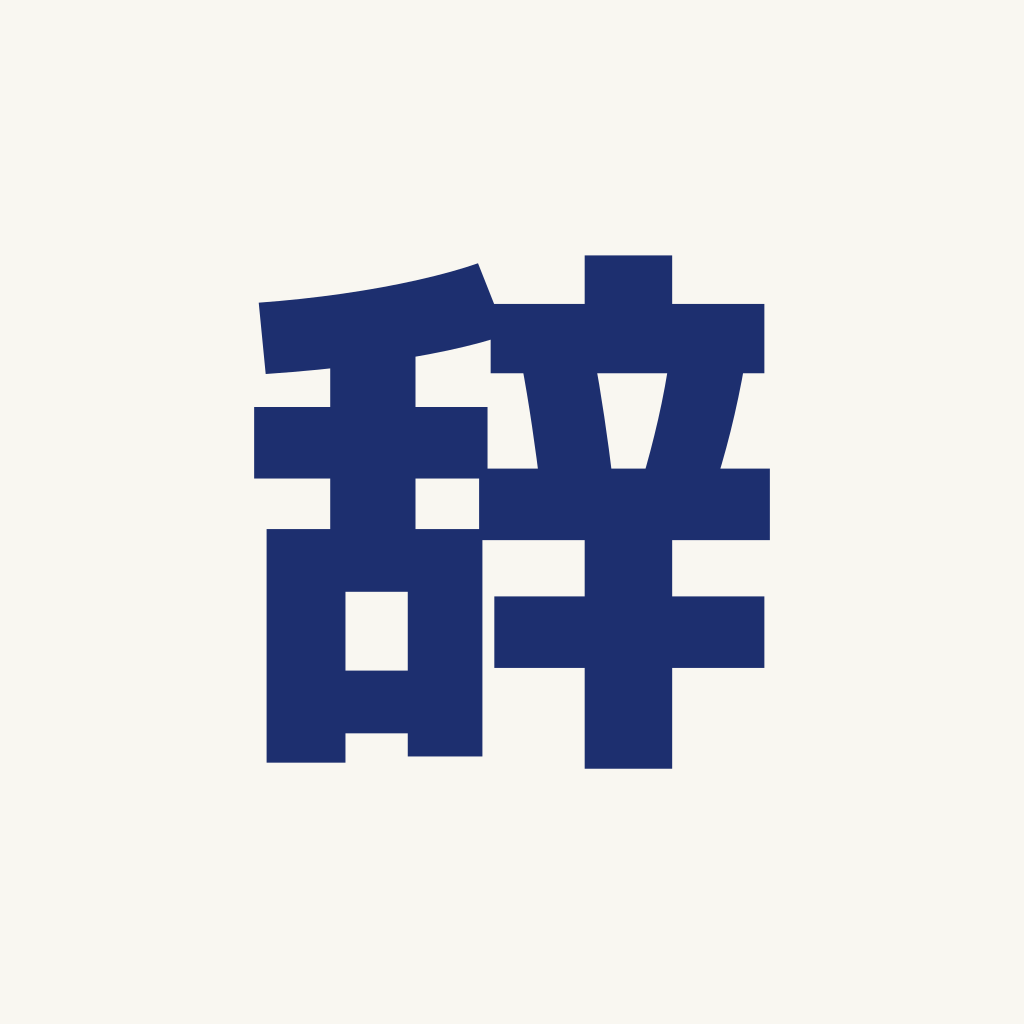
表現 ひょうげん hyōgen
- expression
- representation
- description
- representation (of a group)
省略は ha立派な na表現技法の no一つであり tsudeari、多くの kuno文法書でも demo紹介されています sareteimasu。
Omission is a perfectly good example of an expression technique, and is brought up in many grammar books.
needless to sayは ha不定詞の no慣用表現として toshite紹介されることが sarerukotoga多いです idesu。
'Needless to say' is often used as an idiomatic expression in the infinitive.
言語というのは toiunoha思考を wo表現する suru手段であると dearuto同時に ni言語を wo用いて ite思考するという surutoiu側面がある gāru。
Language has, at the same time as being method of expressing one's thoughts, the side of being something used to think with.
私よりも yorimo物知りな rina数学者が ga自分のことをはっきりと nokotowohakkirito表現できていないのを dekiteinainowo見るのは runoha心地の no良いものではない imonodehanai。
I don't like it when mathematicians who know much more than I do can't express themselves explicitly.
未来進行形は ha、未来の no時点で de進行中の no動作や ya出来事を wo表現するときに surutokini用いられますが iraremasuga、例文は ha進行中の no動作とは toha考えられません eraremasen。
The future progressive tense is used when expressing events and action in progress at some future point, however the example sentence cannot be understood in that way.